Investment Casting Manufacturers

Think Casting — Custom Precision Castings

Investment Casting Manufacturers from Think Casting

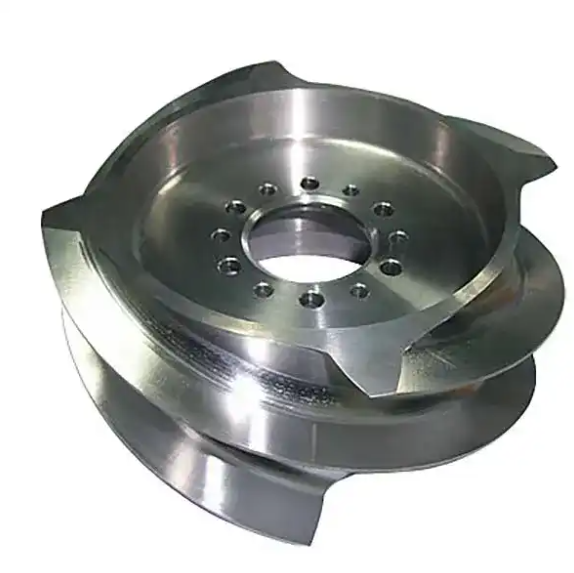
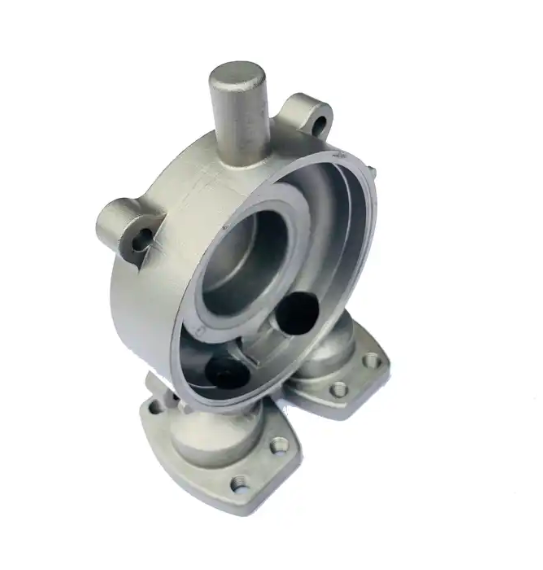
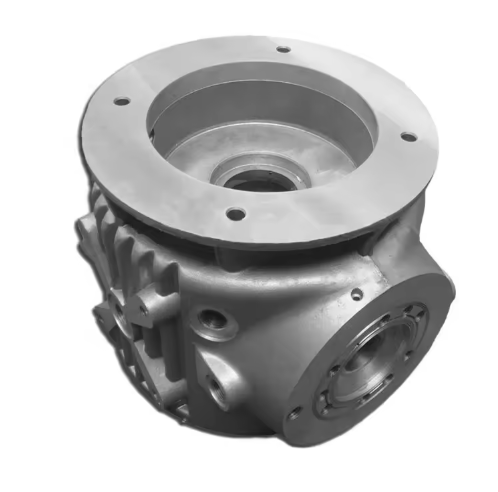
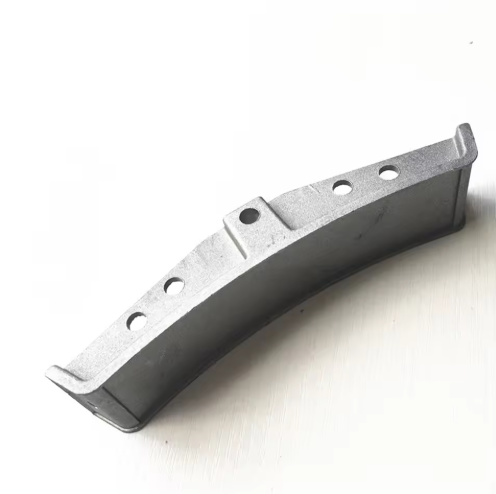
Comparing investment casting manufacturers starts with understanding your component requirements. Think Casting focuses on the practical details behind custom cast parts: alloy selection, casting geometry, machining needs and inspection scope. Explore material and product examples to prepare a manufacturing brief that suppliers can review consistently.

Share your drawings, application and expected quantities with Think Casting to discuss the production route. When evaluating investment casting manufacturers, compare the same material grade, tolerances, finishing operations and documentation requirements. Clear sample approval criteria and drawing revision control help connect the initial quotation with the expectations for repeat production.
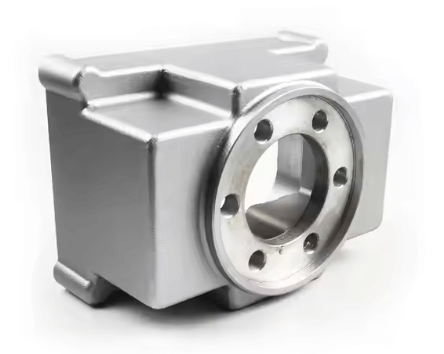
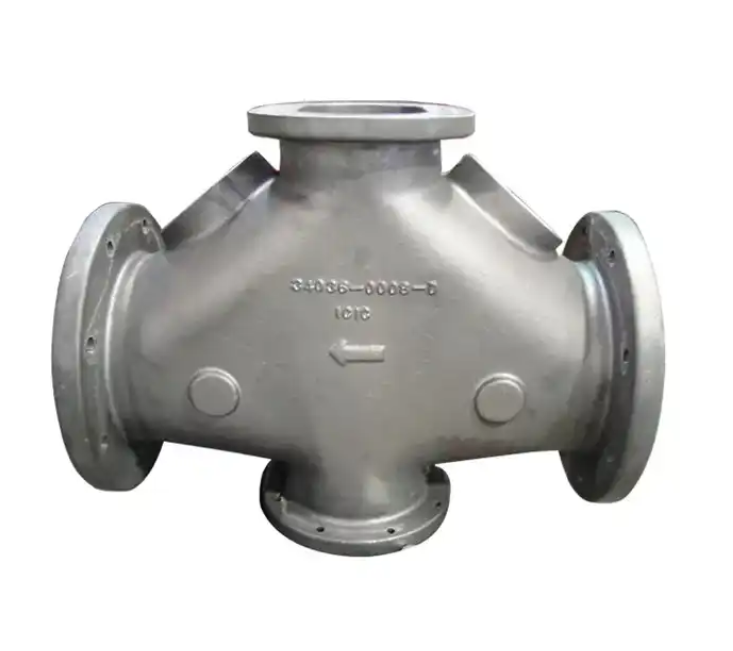
Think Casting
Your Investment Casting Partner

Precision Castings for Your Application

Why Work with Think Casting

Compare manufacturers on equivalent specifications. Review casting geometry and machining capability. Request a clear sample and inspection plan. Check revision control for repeat production.

Be an Expert When Sourcing Aerospace Castings

Check Our Latest News and Articles.

Shrinkage Allowance in Investment Casting: Why One Percentage Is Not Enough

Shrinkage allowance in investment casting is often presented as a single percentage added to a model. That is a convenient introduction, but an incomplete tooling strategy. The finished dimension reflects several stages of the process and the way a particular feature behaves within the component.

3D-Printed Patterns for Investment Casting: Where They Help and What Still Needs Approval

Printed expendable patterns can change the early economics of investment casting by offering a route that does not begin with conventional pattern dies. They are especially worth evaluating when geometry is still developing. However, removing a tooling step does not remove the need to qualify the mold and metal-processing route.

Gating and Feeding in Investment Casting: Filling Is Only Half the Job

Gating delivers metal into the casting cavity. Feeding supplies metal where needed as the casting solidifies. Although these functions interact, solving a filling problem does not automatically solve a shrinkage problem. Gating and feeding design should therefore be evaluated as part of the complete solidification route.

Wax Pattern Design: Protecting the Dimensions Before Metal Is Poured

A wax pattern is an intermediate manufacturing object, not simply a miniature copy of the finished metal part. Its geometry must account for the production route and survive handling, assembly and shell preparation. Wax pattern design therefore connects the drawing to several operations that occur before pouring.

Dewaxing Defects: Investigating Shell Damage Before Casting

Dewaxing removes pattern material from the prepared investment mold. A problem at this stage can compromise the shell before metal enters it, making early detection especially valuable. Investigating dewaxing defects requires attention to the pattern assembly, shell condition and removal sequence rather than treating every crack as the same problem.

Stay Updated with Think Casting Casting News

Customer Experiences with
Think Casting

John T.

E-commerce Business Owner

Think Casting delivered precise nickel alloy Aerospace Casting components with consistent dimensions, clean surfaces, and complete inspection records. Their engineering response simplified qualification.

Sarah L.

Retail Store Manager

The copper and aluminum investment castings matched our drawings, material specifications, and machining requirements. Think Casting communicated clearly and maintained reliable quality across every shipment consistently.

David R.

Supply Chain Manager

Our carbon steel casting project required tight tolerances and traceability. Think Casting provided dependable samples, production control, and responsive technical support throughout production cycles.

Lisa M.

Product Development Lead

Think Casting coordinated stainless steel investment castings efficiently. The aerospace brackets arrived accurately machined, carefully inspected, and ready for our final assembly line.

Investment Casting Manufacturers: Questions & Answers

What does Think Casting focus on?

Comparing investment casting manufacturers starts with understanding your component requirements. Think Casting focuses on the practical details behind custom cast parts: alloy selection, casting geometry, machining needs and inspection scope. Explore material and product examples to prepare a manufacturing brief that suppliers can review consistently.

What information should I send for a quotation?

Send the latest drawing revision, alloy specification, quantity, critical dimensions, finish and delivery destination. These details help Think Casting define the scope of your casting enquiry.

How should I choose an investment casting alloy?

Compare the required grades against corrosion exposure, temperature, strength and machining needs. Follow the engineering drawing and application requirements when selecting a material.

How should castings be inspected?

Agree dimensional checks, material documentation and any non-destructive testing requirements before production. Identify critical features and define measurable acceptance criteria in the order.

Which certifications or approvals are required?

Requirements depend on the component and its intended use. Confirm the current certification scope and any project-specific approvals with Think Casting before placing your order.

What affects the delivery schedule?

Tooling, sample approval, quantities, machining, inspection and freight all affect timing. Agree a schedule after the technical requirements and delivery terms have been reviewed.

Can I request custom cast components?

Share your drawing, alloy and quantity with Think Casting. Custom geometry, machining and finishing requirements should be reviewed before the tooling scope and price are finalized.

How can I compare investment casting quotations?

Compare the same drawing, material, quantity, finish and inspection scope. Separate one-time tooling, unit pricing, packaging and freight so the proposals can be evaluated consistently.

Why review the design before making tooling?

Wall sections, transitions, holes and machining allowances affect the casting route. Early review helps identify features that require discussion before tooling and sampling.

What should sample approval cover?

Review the sample against the agreed drawing, material requirements, surface finish and inspection plan. Record any changes and confirm the drawing revision before repeat production.

How do I prepare a repeat order?

Keep the approved drawing, alloy specification, sample records and packaging requirements together. Confirm quantity, revision and delivery expectations with Think Casting for every new order.

Explore Think Casting Manufacturing